Decoding Credit Card Jargon: Essential Terms for Smart Borrowing
Navigate credit card offers with confidence! Understand key terms like APR, grace period, credit limit, and more to make informed financial decisions.

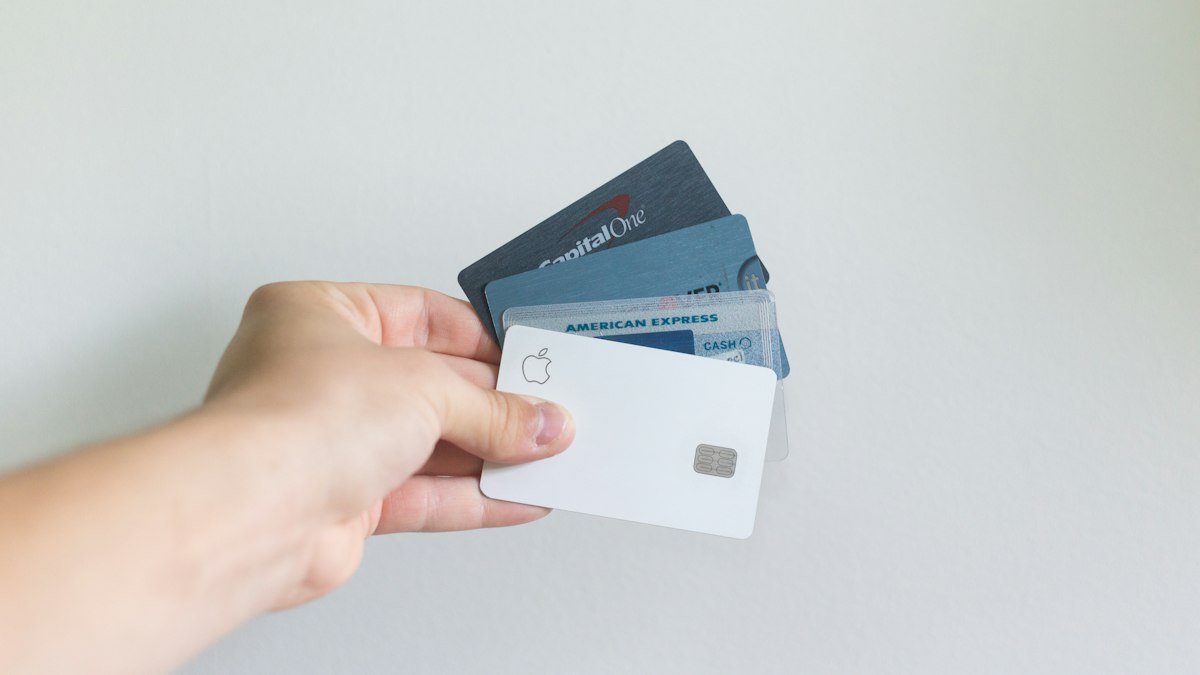
Starting your credit card journey can feel like learning a new language. Lenders use specific terminology that can be confusing, especially when you’re trying to compare different offers and choose the best card for your needs. Understanding these terms isn’t just about deciphering the fine print; it’s crucial for managing your finances responsibly, avoiding unnecessary costs, and building a healthy credit history. Let’s break down some of the most important credit card terms you’ll encounter.
Understanding Your Interest Rate: The APR
The Annual Percentage Rate (APR) is arguably the most critical number on your credit card statement. It represents the yearly cost of borrowing money from the credit card issuer, expressed as a percentage. It’s important to note that the APR you see advertised might not be the only APR you’ll encounter. Credit card agreements often detail different APRs for various types of transactions:
- Purchase APR: This is the most common APR and applies to purchases you make with your card. If you carry a balance from month to month, this is the rate that will be applied to that balance.
- Balance Transfer APR: This APR applies if you transfer a balance from another credit card to this one. Often, issuers offer introductory 0% APRs on balance transfers for a limited time to entice new customers.
- Cash Advance APR: This APR typically applies to cash withdrawals made using your credit card. It’s almost always higher than the purchase APR, and interest often starts accruing immediately, with no grace period.
- Penalty APR: This is a punitive rate that can be triggered if you miss a payment or violate other terms of your agreement. It’s usually a very high rate and can remain in effect for an extended period.
Tip: Always aim to pay your balance in full each month to avoid paying any interest. If you can’t, understand which APR applies to your situation and try to minimize the balance subject to the highest rates.
The Grace Period: Your Interest-Free Window
The grace period is the time between the end of your billing cycle and the payment due date. During this period, if you pay your statement balance in full by the due date, you won’t be charged any interest on your purchases. This is a valuable benefit that allows you to use your credit card for convenience without incurring extra costs, provided you’re diligent about paying it off.
Important Considerations:
- The grace period typically only applies to purchases, not to cash advances or balance transfers.
- If you carry a balance from one month to the next, you usually lose your grace period on new purchases until the balance is paid off in full.
Tip: Know your payment due date and aim to pay at least the minimum payment well before it to avoid late fees and potential loss of your grace period.
Credit Limit: How Much You Can Spend
Your credit limit is the maximum amount of money your credit card issuer will allow you to borrow on a single card at any given time. This limit is determined by the issuer based on your creditworthiness, income, and existing debt. It’s a crucial factor in managing your spending and your credit utilization ratio.
Understanding Your Limit:
- Starting Limit: New cardholders often receive lower credit limits, which may increase over time with responsible use.
- Impact on Credit Utilization: Your credit utilization ratio is the amount of credit you’re using compared to your total available credit. Keeping this ratio low (ideally below 30%, and even better below 10%) is vital for a good credit score. Exceeding your credit limit can incur over-limit fees and negatively impact your score.
Tip: Be mindful of your credit limit and strive to keep your spending well below it. If you consistently need more credit, you can request a credit limit increase from your issuer after a period of responsible card use.
Minimum Payment: The Bare Minimum
The minimum payment is the smallest amount you are required to pay by the due date to keep your account in good standing and avoid late fees. It’s typically calculated as a small percentage of your outstanding balance, plus any interest and fees due. While paying only the minimum might seem like a way to manage your finances, it’s a financially precarious strategy.
Why the Minimum Payment is Risky:
- Long Repayment Time: Paying only the minimum can result in taking years, even decades, to pay off your debt.
- High Interest Costs: You’ll end up paying a substantial amount in interest over the life of the loan, often far more than the original amount you borrowed.
Tip: Always aim to pay more than the minimum payment, and ideally, pay your statement balance in full each month. If you can’t pay in full, paying as much as you can afford will significantly reduce the amount of interest you pay and shorten your repayment period.
Fees: Potential Costs Beyond Interest
Beyond interest charges, credit cards can come with various fees. Understanding these can help you avoid unexpected costs and choose cards with fee structures that align with your spending habits.
- Annual Fee: Some cards, particularly those with premium rewards or benefits, charge a yearly fee for the privilege of using the card.
- Late Payment Fee: Charged if you fail to make at least the minimum payment by the due date.
- Over-Limit Fee: Charged if your balance exceeds your credit limit (though many issuers now decline transactions that would put you over the limit unless you opt-in for this service).
- Foreign Transaction Fee: Charged on purchases made in a foreign currency or processed outside your home country.
- Balance Transfer Fee: A fee charged when you transfer a balance from another card, typically a percentage of the amount transferred.
- Cash Advance Fee: A fee charged when you take out cash using your credit card.
Tip: Read the cardholder agreement carefully to understand all potential fees. If you travel internationally frequently, look for a card with no foreign transaction fees. If you plan to transfer a balance, compare balance transfer fees and APRs.
Frequently Asked Questions
What is the difference between a credit card statement balance and the minimum payment?
The statement balance is the total amount you owe at the end of a billing cycle. The minimum payment is the smallest amount you must pay by the due date to avoid late fees and keep your account in good standing. Paying only the minimum will result in significant interest charges and a long repayment period.
How does a 0% introductory APR work?
A 0% introductory APR means you won’t be charged interest on certain types of transactions (like purchases or balance transfers) for a specific promotional period. After this period ends, the standard APR for that transaction type will apply to any remaining balance. It’s crucial to pay off the balance before the introductory period expires to avoid interest charges.
Can my credit limit be changed after I get the card?
Yes, your credit limit can be changed. Issuers may offer to increase your limit based on your payment history and responsible use of the card. Conversely, they might decrease your limit if your credit profile changes negatively or if the issuer’s risk assessment changes. You can also often request a credit limit increase yourself.
Conclusion
Understanding these fundamental credit card terms empowers you to make informed decisions. By grasping concepts like APR, grace periods, credit limits, minimum payments, and fees, you can use credit cards as valuable financial tools, build a strong credit history, and avoid costly mistakes. Always read your cardholder agreement, stay on top of your payments, and aim to pay your balance in full whenever possible.
